Why We Love The Microwave Press For Bouquet Preservation
Here’s Why We Love Using The Microwave Press For Wedding Flower Preservation And Custom Pressed Flower Frames
Microwave flower pressing is one of the tools we rely on most at For Keeps Florals, and the reason is simple. It helps us preserve wedding bouquets with better color, better structure, and better long-term stability. When used correctly, the microwave press can be an incredible first step in the pressed flower process. When used incorrectly, it can cause scorching, browning, or even fire hazards. This is why we treat it with careful technique and never use it as a standalone method.
Our goal is always the same. We want your bouquet to become a pressed flower frame that feels just as meaningful and beautiful as the day you held it.
Below, we’ll explain exactly how microwave pressing works, why we use it, when we don’t use it, and how it fits into our full preservation workflow.
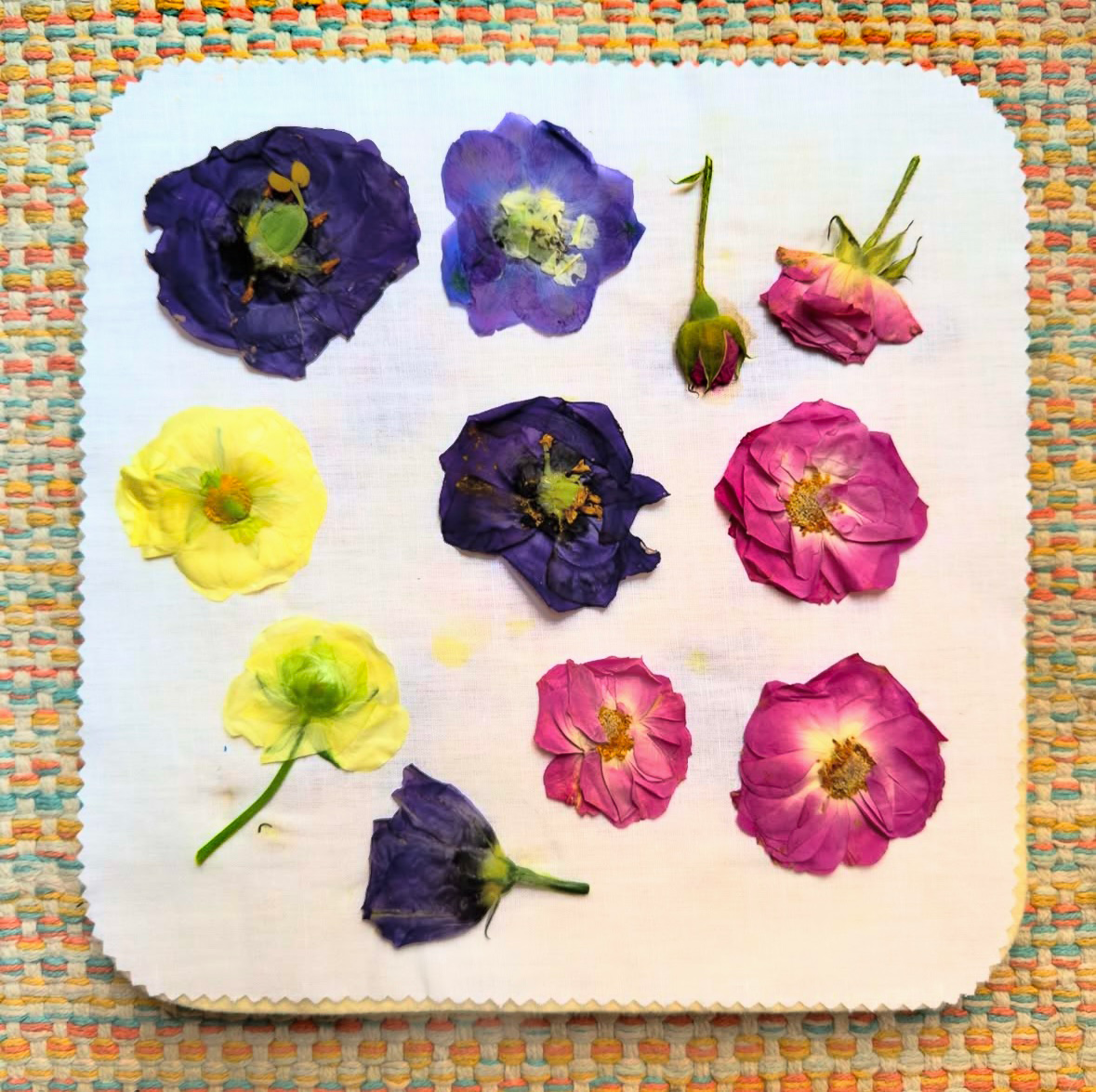
The Microwave Press Is Only Step One, But It’s One We Love
At For Keeps Florals, we use a hybrid approach for wedding flower preservation. Microwave pressing is the starting point that helps remove moisture quickly and preserve color before natural aging begins. After that, we transition into slower, traditional pressing, layout design, and final drying inside the frame itself.
A typical workflow for bouquet preservation looks like this:
• We begin by microwave pressing certain blooms gently to remove surface moisture.
• The flowers are cooled and aired briefly to prevent overheating.
• They are moved into book-style presses where they dry more slowly and evenly.
• Once fully prepared, each flower is glued and arranged on archival backing for its pressed flower frame.
• The final drying and long-term stabilization happen inside the frame under UV-protective glass or acrylic.
This method protects color, prevents browning, and allows for more graceful shaping during the design stage.
Which Flowers Respond Well to Microwave Pressing
Not every bloom behaves the same when exposed to heat. Part of creating high-quality bouquet preservation is knowing which flowers benefit from the microwave and which are better left to slower, traditional methods.
Flowers that typically respond well:
• Roses, ranunculus, protea, garden roses
• Certain varieties of dahlias
• Sturdy greenery that can withstand quick moisture reduction
Flowers that do not respond as well:
• Thin or delicate petals such as cosmos, poppies, sweet peas
• Flowers with extremely high water content, which may collapse
• Blooms with trapped moisture in the center, which can cause bursting
This is why each bouquet requires individual assessment. The same technique cannot be applied to every flower, and that judgment comes from experience with hundreds of preserved bouquets.
Why Microwave Pressing Helps Preserve Color
One of the biggest advantages of microwave pressing is early color preservation. Wedding flowers begin aging the moment they are cut, and petal edges can brown quickly. A controlled amount of heat removes moisture before discoloration sets in while still keeping the flowers flexible enough for later design work.
The flexibility is important. Fully dried flowers cannot be reshaped without cracking. Partially dried flowers can still be guided into position on the archival mat, giving you a pressed flower frame that feels natural, dimensional, and harmonious.
Where Microwave Pressing Can Go Wrong
Although we love this tool, it comes with risks. These are the main drawbacks and dangers when microwave pressing is done incorrectly.
• Scorching or browning if the press runs too long
• Curling or shrinking of thin petals
• Overheating inside the press, which can cause damage or distort colors
• Metal components causing sparks, including wire stems, pins, or floral tape
• Fire hazards if the press becomes too hot or if moisture pockets burst
• Burned petals when heat is too high or released unevenly
• Heat buildup during repeated press cycles, especially with thicker blooms
These risks are the reason we do not recommend microwave pressing as a do-it-yourself method for wedding flower preservation. The margin for error is small, and one overheating cycle is enough to damage irreplaceable blooms.
Why We Combine Multiple Preservation Techniques
Every bouquet is different. Flower types vary. Seasonal hydration levels vary. Even the way a bouquet was stored on a wedding day impacts how it will behave during preservation. A single technique simply cannot guarantee consistent results.
By using a combination of microwave pressing, traditional book pressing, staged drying, and final framing, we are able to offer:
• Greater consistency between flower types
• Better color retention across the entire bouquet
• Stronger long-term preservation
• Reduced risk of scorching or over-drying
• More flexibility and control during design
The final result is a pressed flower frame that looks refined instead of brittle or uneven. This is what allows us to create clean, elegant layouts that showcase your bouquet exactly the way you remember it.
Why Professional Pressing Matters
Pressed flower preservation is not simply about flattening flowers. It is a technical, artistic, and time-sensitive process that requires knowledge of moisture levels, bloom structure, safe heat exposure, press timing, drying environments, adhesives, archival materials, and long-term display considerations.
We never expect brides to do this themselves. When you choose bouquet preservation, we guide you through intake, shipping or drop-off, flower preparation, pressing, design, and final framing. Every step is handled for you with precision and care.
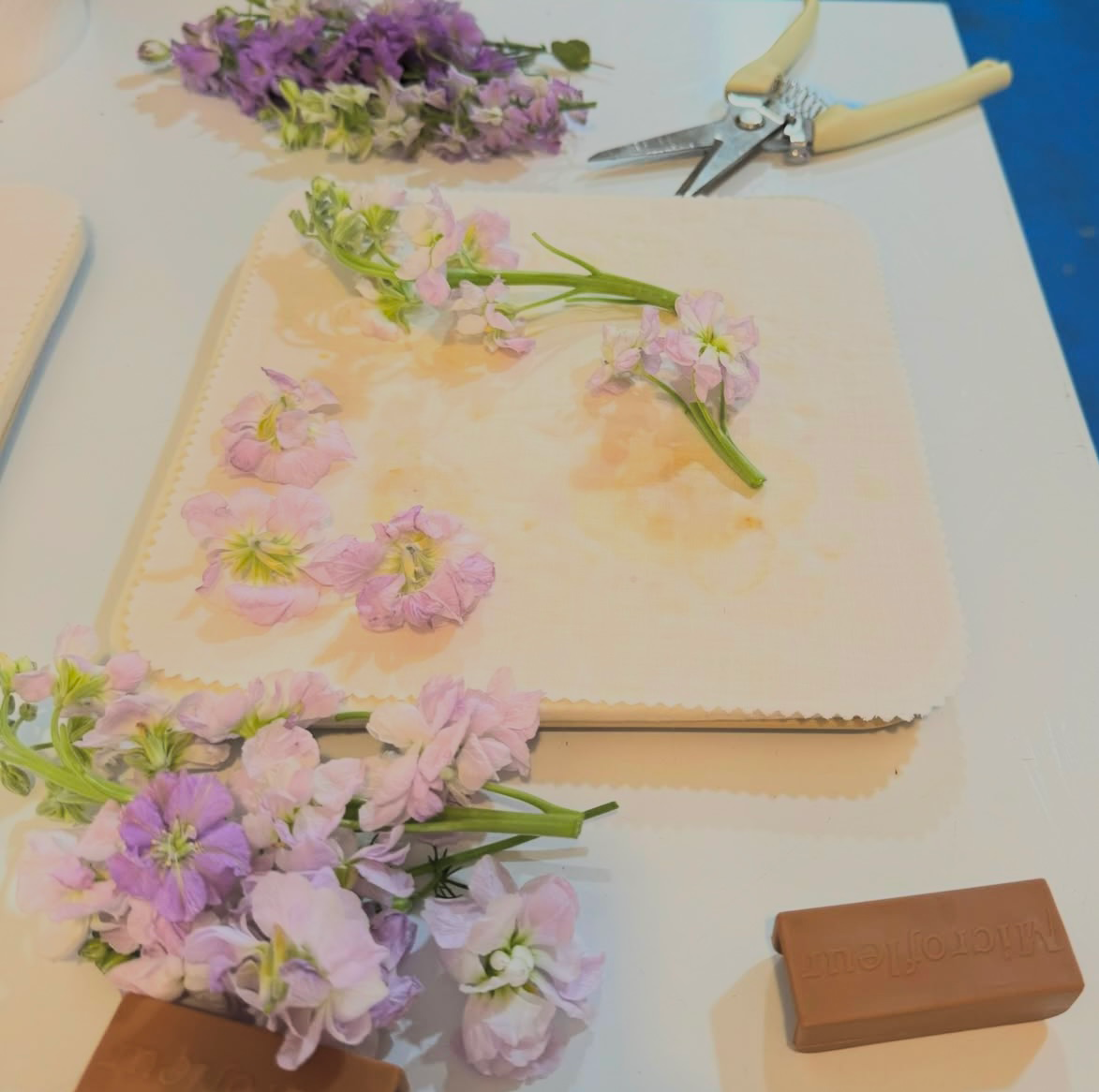
Explore More Wedding Flower Preservation Resources
For deeper reading, you can explore:
• Pressed Flowers vs Freeze Dried Flowers for Bouquet Preservation
• How Much Does Flower Preservation Cost
• Bridal Bouquet Recreation for Wedding Flower Preservation
You can also visit our Pressed Flower Frames collection, browse our shop, or view our full Wedding Flower Preservation page for details on ordering.
FAQ: Microwave Pressing and Wedding Flower Preservation
Is microwave flower pressing safe?
Yes, when used correctly. It becomes unsafe only when flowers contain wires, metallic floral tape, pins, or other materials that can spark. Overheating from long cycles can also be dangerous. This is why we handle all microwave pressing in a controlled and monitored environment.
Do microwave pressed flowers last as long as traditionally pressed flowers?
Yes. When microwave pressing is used only as the initial moisture-removal phase, the final results are just as stable and long-lasting as traditional methods. The finishing stages inside the frame provide the long-term preservation.
Can all bouquet flowers be microwave pressed?
No. Some flowers scorch easily or collapse under heat. We evaluate every bloom individually so that each one is treated with the best method for its structure.
Does microwave pressing make flowers less flat or more flat?
Microwave pressing removes moisture quickly but still allows for some flexibility. This gives more control during layout and prevents overly brittle petals.
Can I microwave press my own wedding bouquet?
We strongly recommend against it. Without the correct equipment and experience, it is easy to scorch petals, trap moisture, cause mold, or even start a fire. For irreplaceable wedding flowers, professional preservation is the safest option.
Why do you avoid single-method preservation?
Because bouquets contain many flower types, and each requires different handling. A hybrid method produces the most consistent, vibrant, and long-lasting pressed flower frames.
How long does the entire wedding flower preservation process take?
Most pressed flower frames take several weeks from bouquet arrival to final framing. This timeline allows for staged drying, design, adhesive curing, and long-term stabilization.